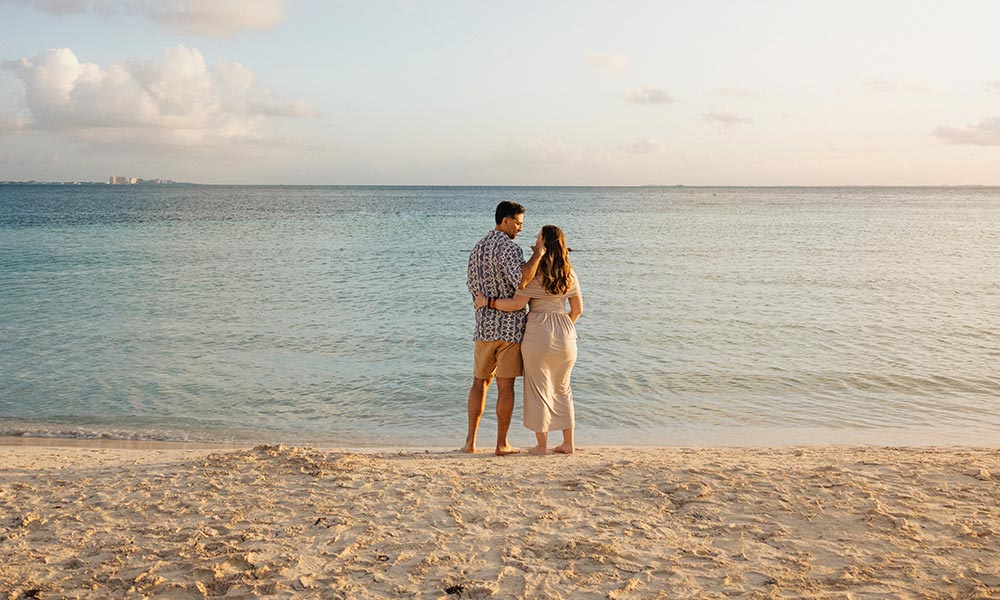
If you’re planning a trip to Mexico, you’ve probably heard about sargassum in Cancun. Recently, it’s been one of the most common questions on travelers’ minds before booking a trip.
The good news is that sargassum doesn’t have to be a big deal. It doesn’t affect every beach the same way, and some places experience much less seaweed, even during peak periods. By choosing the right location, you can enjoy more time by the water and less time worrying about seaweed.
What Is Sargassum?
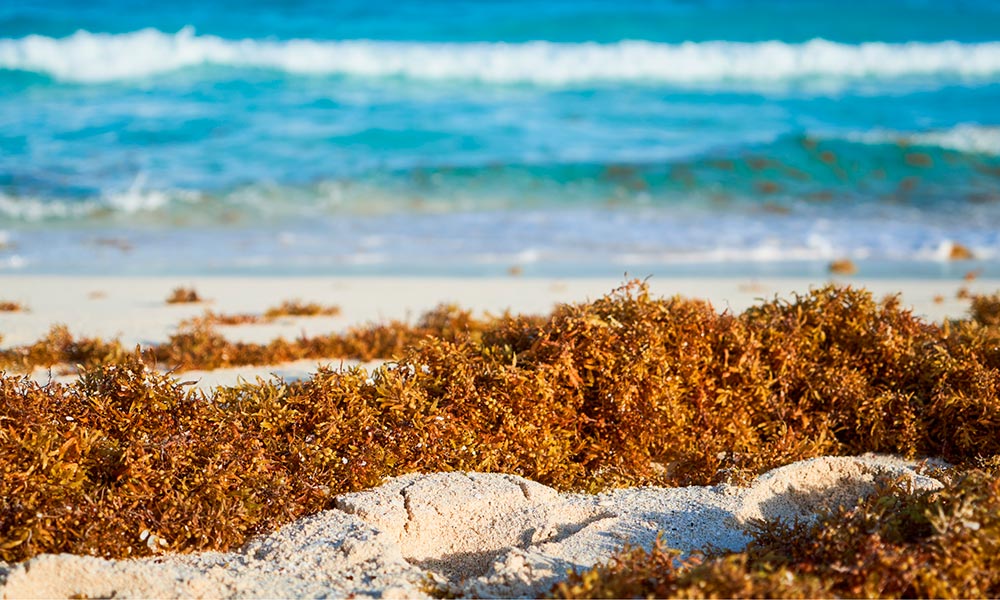
First things first: what exactly is sargassum? Well, sargassum is simply a type of seaweed that floats on the ocean surface. It’s a natural part of the Atlantic Ocean ecosystem and provides shelter for marine life. For a deeper look at its role in the marine ecosystem, the National Oceanic and Atmospheric Administration (NOAA) explains how floating sargassum provides food, shelter, and habitat for many marine species.
Sometimes large amounts can drift into the Caribbean and wash up on beaches. When this happens, it can change how the beach looks and sometimes emit an odor as it sits in the sun.
The amount of seaweed that washes up can vary. It depends on factors like ocean currents, wind, and weather.
Cancun Sargassum Season
So, when is sargassum season in Cancun? In general, the season runs from late spring through early fall. The highest chance of encountering it is usually between May and August.
Still, there is no exact schedule. Some weeks have very little sargassum, while others have more. Since it’s a natural phenomenon, conditions can change quickly and be hard to predict.
Regional sargassum levels also change from year to year. Researchers at the University of South Florida’s Sargassum Watch System use satellite observations to monitor sargassum across the Caribbean and publish regular outlooks on broader regional conditions.
Why Beach Location Matters
Not every beach in Cancun is the same, and location makes a big difference in how affected a beach is by sargassum. Beaches that face the open sea are more likely to collect seaweed. Ocean currents and wind push the seaweed toward those shores.
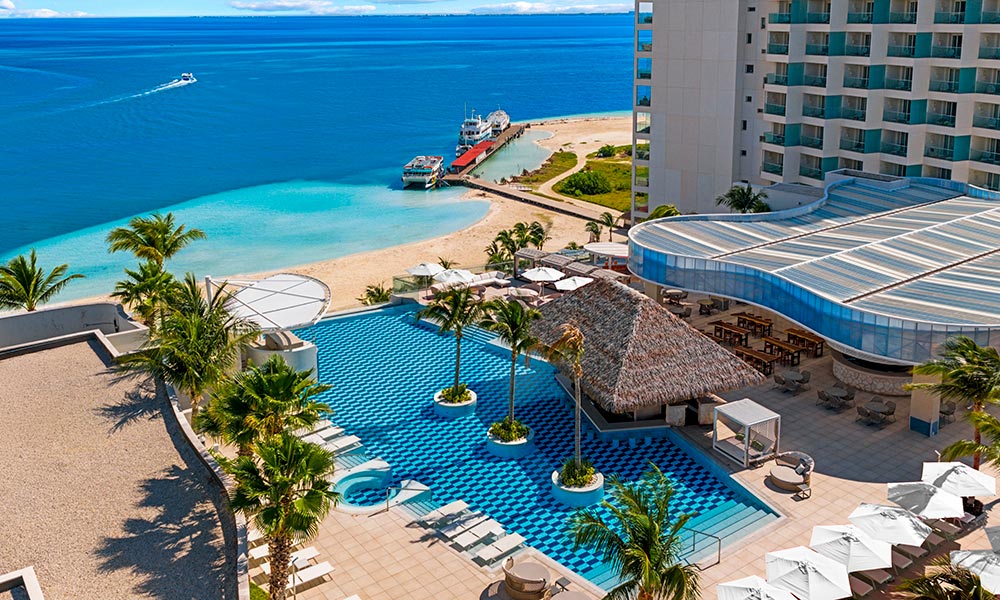
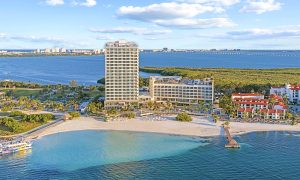
At Amàre Cancún, part of the Curio Collection by HiltonTM, our location on Playa Langosta offers a unique advantage that makes all the difference. Our beach faces toward Isla Mujeres, which provides a unique natural barrier. This protects it from the currents that affect other beaches in the area. Amàre Cancún staff also follow daily monitoring and cleaning protocols to help keep the beach pristine.
Stay Updated on Beach Conditions
Sargassum conditions can change daily due to wind, ocean currents, and weather conditions. Check resources like beach webcams, weather reports, or social media to find the best places to enjoy the waves.
For official updates, travelers can also check the Mexican Navy’s daily sargassum bulletins, which monitor sargassum movement across the Mexican Caribbean.
NOAA also provides information on its Daily Sargassum Inundation Risk tool, which shows the broader risk of coastal sargassum inundation across the Caribbean.
Plan Your Cancun Escape with Confidence
Location is important when trying to avoid sargassum on your Caribbean vacation. Thanks to Amàre’s convenient location and meticulous maintenance, you’ll enjoy beautiful beaches every day during your stay.
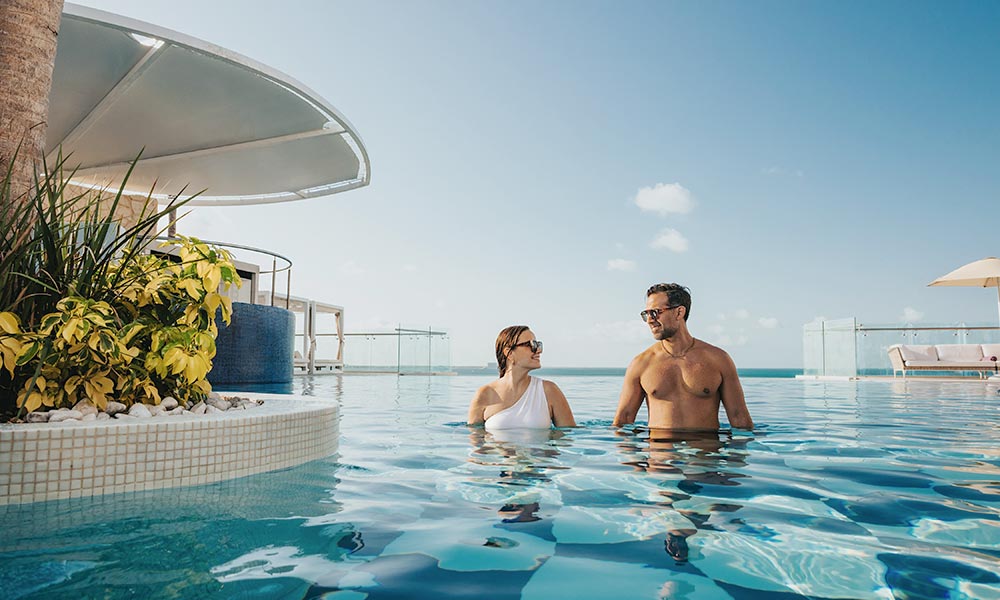
Beyond the sand, there’s so much more to discover at Amàre, one of the top all-inclusive resorts in Cancun. Take in panoramic views of the sea and city from our rooftop infinity pools. Savor international flavors and Michelin-inspired cuisine at our curated restaurants. Explore the tropical beauty of the Nichupté Lagoon with curated activities. Dance the night away with live DJ sets under the stars.
At Amàre Cancún, you can have it all: beautiful beaches, vibrant experiences, and unforgettable moments in the heart of the Mexican Caribbean. Book your stay today.